
ADVOCACY: Opposing growth AND being an affordable housing advocate don’t mix
If there’s one truth that emerged from our four-part interview with housing expert Dr. Sam Staley, it’s this: Florida doesn’t have a housing demand problem — it has a housing supply problem. And the reason we’re not building enough homes isn’t economics or interest rates or evil developers. It’s the result of deliberate choices made by local governments — and by the residents who pressure them.[…]
August 19, 2025Skip Foster
Red Tape Florida
ADVOCACY: Opposing growth AND being an affordable housing advocate don’t mix
Share this
Share
+1
Tweet
Share
Share
If there’s one truth that emerged from our four-part interview with housing expert Dr. Sam Staley, it’s this: Florida doesn’t have a housing demand problem — it has a housing supply problem. And the reason we’re not building enough homes isn’t economics or interest rates or evil developers. It’s the result of deliberate choices made by local governments — and by the residents who pressure them.
This disconnect lies at the heart of our housing crisis. So many people — especially here in Tallahassee — claim to care deeply about affordable housing. They campaign on it. They organize around it. They pray over it.
But when someone proposes a new apartment complex or a cluster of townhomes or a modest liberalization of residential planning regulations, the tone changes. Traffic. Neighborhood character. Drainage. Trees. Suddenly, that same passion for housing gets buried under a long list of reasons why this development, in this location, is unacceptable.
That position isn’t just contradictory — it’s harmful. You cannot say you want affordable housing and then work to block the very development that creates it. Those two beliefs are incompatible.
And it defies basic laws of economics.
At last weekend’s Greater Tallahassee Chamber conference, economist Ron Hetrick shared a sobering statistic: since 2021, Tallahassee’s median home prices jumped 52 percent, to $377,000. Does anybody really think that increase isn’t connected to the city’s burdensome regulations and rabid anti-growth activism?
Opposing virtually all growth is also morally repugnant. Anti-growth advocacy leads directly to homelessness. To poverty. Simultaneously opposing growth and advocating for affordable housing is like banning umbrellas and then protesting about how wet people are.
As Staley reminded us, the data is crystal clear: Housing becomes unaffordable when supply fails to meet demand. And supply fails when cities slow-walk projects, impose overly restrictive zoning, or let NIMBY pressure grind everything to a halt. The result? Fewer places for teachers to live. Longer commutes for hospital techs. Rising rents for everyone else.
It’s time we started telling the truth about what NIMBYism costs. It is not a morally neutral stance. Every blocked project is a family that didn’t find housing. Every delayed permit is a young worker who left town. If you want to oppose development, fine — own the consequences. Don’t hide behind buzzwords like “neighborhood character” or “smart growth” while the housing shortage worsens.
Groups like the Capital Area Justice Ministry have done admirable work in drawing attention to the housing crisis. But it’s not enough to demand only public sector solutions to the problem. That movement — and others like it — must evolve to support the actual steps needed to make housing more abundant. That means higher density. That means faster permitting. That means building near existing neighborhoods.
And our local leaders — including those at the Tallahassee Chamber — need to lead with courage, not caution. For too long, public officials have deferred to the loudest voices in the room, which often represent the narrowest slice of the community. It’s time they represented everyone, including those who haven’t yet arrived — the workers, students, and families who want to live here but can’t afford to.
By the way, this is a special opportunity for progressives to show some leadership – if you want to truly show you care about the “least of these” you should be leading the charge on eliminating red tape and not letting anti-growth forces run roughshod over local policy.
Growth isn’t guaranteed in Tallahassee — and lately, it’s been in short supply. The real question is whether we want to keep turning on the red light or finally roll out the red carpet for those who would build a better future here. Dr. Staley gave us the facts. Now it’s our turn to act.
August 19, 2025Skip Foster
Red Tape Florida
Part 4: Permitting – why is it contributing to affordable housing crisis; what can be done?
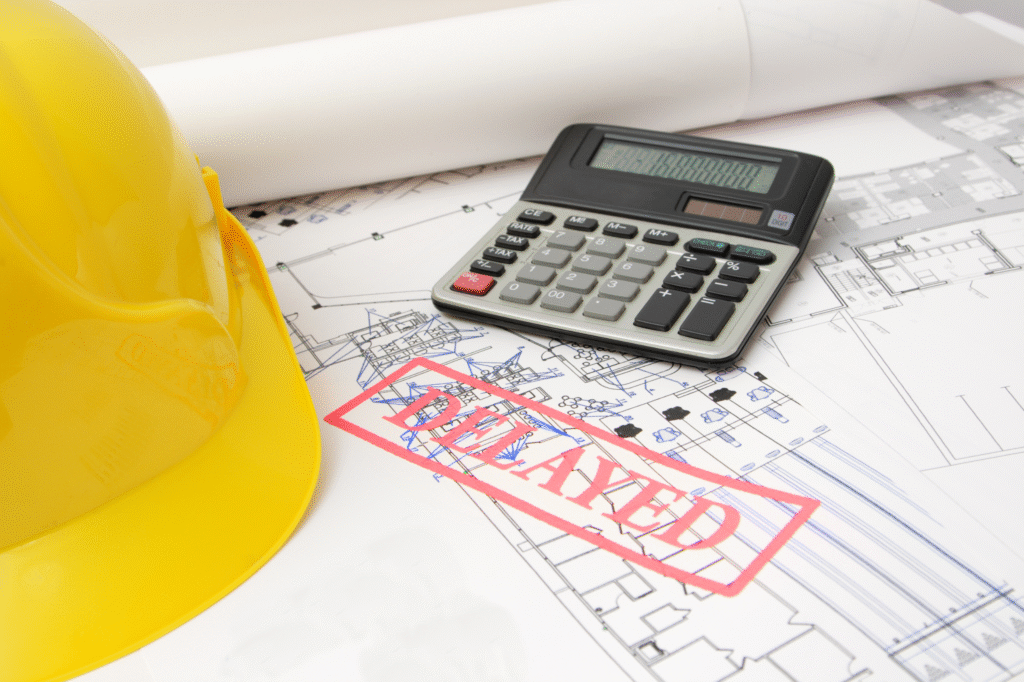
In Part 1, Dr. Sam Staley explained how Florida’s housing crisis stems from an undersupply of homes. Part 2 explored how local regulatory systems choke off new development. And in Part 3, we looked at the limits of state intervention. In this final installment, we drill into one of the most fixable — and frustrating — parts of the puzzle: the broken permitting process. […]
August 14, 2025Red Tape Florida
Part 4: Permitting – why is it contributing to affordable housing crisis; what can be done?
Part 4: Why Reforming Permitting Is Essential — and So Hard
In Part 1, Dr. Sam Staley explained how Florida’s housing crisis stems from an undersupply of homes. Part 2 explored how local regulatory systems choke off new development. And in Part 3, we looked at the limits of state intervention. In this final installment, we drill into one of the most fixable — and frustrating — parts of the puzzle: the broken permitting process.
Skip Foster (RTF): Sam, a lot of your critique focuses on the permitting process. What exactly is wrong with it?
Sam Staley: It’s slow, opaque, and often unpredictable. Developers will tell you it’s not even that they mind following rules — they just want to know what the rules are and how long it’s going to take. But in many cities, permitting timelines are open-ended. Reviews get bounced between departments. One small objection can reset the whole process. And that creates uncertainty, which increases costs.
RTF: Why is it so hard to fix?
Staley: Because permitting is seen as a bureaucratic function — not a core piece of economic development. Cities don’t invest in making it better. Staff are underpaid, undertrained, and overwhelmed. And there’s no real political incentive to change, because the people who suffer most are future residents — people who haven’t shown up yet to vote.
RTF: Is there low-hanging fruit here?
Staley: Absolutely. Digitizing the process is one. Setting performance metrics — like time-to-permit or approval ratios — is another. Just treating permitting like a service rather than a gatekeeping function would make a huge difference. It wouldn’t solve everything, but it would help a lot.
RTF: Are there examples of this being done well?
Staley: Some cities have experimented with “permit streamlining” or concierge-style services for major projects. Others outsource part of the review process to third-party professionals. These aren’t silver bullets, but they show what’s possible when you take the issue seriously.
RTF: Any final thoughts on how we get out of this?
Staley: If we want to fix housing, we have to fix the process. That means educating the public, reforming local practices, and treating housing supply like the infrastructure issue it is. Until we do that, we’re going to keep falling short.
RTF: You’ve talked a lot about zoning and permitting. But what role do local comprehensive plans play in the housing crisis?
Staley: A major one — and it’s often overlooked. Every local government in Florida is required by law to include a housing element in their comprehensive plan. But in practice, it’s routinely ignored or subordinated to other priorities like parks, commercial development, or downtown revitalization. Cities may have 10 or 12 different elements, but housing — arguably the most urgent — is rarely the top priority. That needs to change.
RTF: What should be done to elevate the housing element and make it more effective?
Staley: I think the state can and should play a stronger role here. Local governments should be required not just to include a housing element, but to prioritize it. At a minimum, comp plans should include measurable targets to ensure housing supply keeps pace with population growth. And if population or job growth exceeds projections, the default should be to allow more housing — not less. There needs to be a presumption toward accommodating growth, not resisting it.
August 14, 2025Red Tape Florida

Part 3: Could Florida become the California of building regulations?
In Part 1, Dr. Sam Staley explained why Florida’s housing affordability problem is a supply issue — not a demand one. In Part 2, he highlighted how local governments often serve as the biggest bottleneck to building new housing. In this installment, we turn to what role state policy can — and can’t — play in breaking the logjam. […]
August 11, 2025Red Tape Florida
Part 3: Could Florida become the California of building regulations?
Part 3: What State Law Can — and Can’t — Do to Solve the Housing Crisis
In Part 1, Dr. Sam Staley explained why Florida’s housing affordability problem is a supply issue — not a demand one. In Part 2, he highlighted how local governments often serve as the biggest bottleneck to building new housing. In this installment, we turn to what role state policy can — and can’t — play in breaking the logjam.
Skip Foster (RTF): Sam, what about the role of state government – can it override some of the problems we’re seeing at the local level?
Sam Staley: They can, and I think they’ve started to move in that direction. The Live Local Act is a good example of a strong attempt by the state to preempt some of the barriers local governments put in place. It encourages higher density and overrides certain local zoning restrictions for affordable housing projects.
RTF: Does it go far enough?
Staley: It’s a start. But at the end of the day, most land use decisions are made locally. So unless you want the state to take over completely — which I don’t think is the right answer — you have to find ways to make local governments more responsive.
RTF: What could that look like?
Staley: Transparency in the permitting process would help. Timelines for decisions. Better data reporting. Right now, it’s very difficult to even compare one jurisdiction to another, or to figure out where the hangups are. If cities had to publish their permitting timelines or denial rates, I think you’d see a lot more pressure to perform.
RTF: Is there an argument that the state should simply force the issue?
Staley: In some cases, yes. When a city is actively obstructing growth or using zoning to exclude certain types of housing, preemption may be the only answer. But that’s a blunt instrument, and it can create its own problems. Ideally, you want to see local governments solving these issues themselves, with the state acting as a backstop.
RTF: Are other states doing this better?
Staley: Yes. Places like Arizona and Texas have more pro-growth policies built into their planning and zoning codes. Florida is playing catch-up, even though our population growth is stronger. We’ve got the demand — we just need to align the governance to support it.
RTF: Is there a risk Florida ends up like some of the high-cost states we always hear about?
Staley: Yes — and we’re already seeing the signs. California, Oregon, Massachusetts — they all made it incredibly difficult to build. They layered on local regulations, bowed to NIMBY pressure, and drove up costs until only the wealthy could afford to live there. Florida is not immune. We’re seeing the same patterns: growing cities resisting density, permitting systems slowing things down, political pushback to infill development. If we don’t change course, we’ll be facing the same kind of affordability crisis — maybe worse.
Coming in Part 4: If you think excessive permitting delays hurt developers you are wrong – it hurt working-class prospective homebuyers much more.
August 11, 2025Red Tape Florida
Part 2: Slowing down development only enhances affordable housing crisis
In Part 1, Dr. Sam Staley of Florida State University’s DeVoe Moore Center laid out the fundamental problem behind Florida’s housing affordability crisis: a failure to meet demand with adequate supply. In this installment, we turn our attention to the local policies and processes that are preventing solutions from taking root. […]
August 8, 2025Red Tape Florida
Part 2: Slowing down development only enhances affordable housing crisis
Part 2: Local Government — The Hidden Bottleneck in Florida’s Housing Crisis
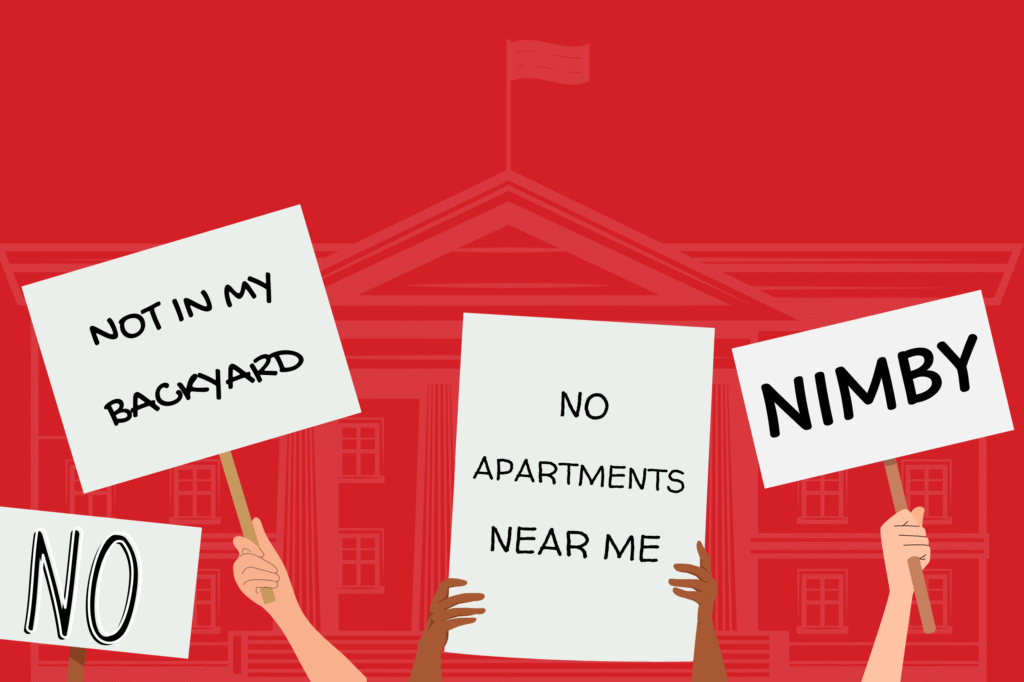
In Part 1, Dr. Sam Staley of Florida State University’s DeVoe Moore Center laid out the fundamental problem behind Florida’s housing affordability crisis: a failure to meet demand with adequate supply. In this installment, we turn our attention to the local policies and processes that are preventing solutions from taking root.
Skip Foster (RTF): Sam, in the first part of our conversation, you pointed to local governments — zoning, permitting, planning — as major barriers to housing development. Can you talk more about that?
Sam Staley: Well, it really is at the local level where the bottlenecks occur. The permitting process, the zoning approvals, the comprehensive plans — all of that stuff is done at the local level. And what we’re seeing is that the political will to allow growth, particularly in already developed areas, just isn’t there.
RTF: You’ve touched on permitting delays, but can you explain how that actually affects the price of housing?
Staley: Absolutely. Time is money in development. Every month a builder waits for approval, they’re still paying interest on the land loan, carrying financing costs, sometimes redesigning to meet shifting requirements. That delay doesn’t just eat into margins — it gets baked into the final price. And that price is passed on to buyers or renters. So when cities drag their feet on approvals, it’s not just frustrating — it directly contributes to higher housing costs and less supply.
RTF: Why is that?
Staley: You know, the phrase is NIMBY — “not in my backyard.” The minute someone proposes an apartment complex or even townhomes, the neighbors show up at the meeting and say it’s going to ruin the character of the neighborhood or cause traffic problems. So elected officials hear that, and they get nervous. And a lot of projects just die.
RTF: Is this a new phenomenon?
Staley: No, it’s been building for decades. But the mismatch between demand and supply is now so extreme that the consequences are becoming more visible. It’s not just poor people who can’t find housing. It’s middle-income families. It’s young professionals. It’s teachers and firefighters. And we still see this reflexive resistance to development.
RTF: What does that mean in practice?
Staley: It means a lot of developers won’t even try. They know they’re going to get fought every step of the way. So they look elsewhere. And that means less housing, which drives up the price of what already exists.
RTF: Are there any examples of cities getting this right?
Staley: Some cities are trying. I think Miami is starting to move in that direction — more density, more flexibility. Orlando too, in some areas. But for the most part, cities still use land use planning as a gatekeeping function, not a growth management tool. And that’s a huge part of the problem.
Coming in Part 3: Could Florida actually become the California of building regulations?
August 8, 2025Red Tape Florida

SPECIAL SERIES: Acclaimed housing expert gets real on affordable housing
Florida’s housing crisis isn’t just about sky-high prices or families getting priced out of their hometowns. According to Florida State University’s Dr. Sam Staley, it’s about something far more fundamental: a system that simply won’t let the market work. […]
August 6, 2025Red Tape Florida
SPECIAL SERIES: Acclaimed housing expert gets real on affordable housing
Part 1: Why Housing Costs Keep Rising in Florida — and Why Supply is the Key
Florida’s housing crisis isn’t just about sky-high prices or families getting priced out of their hometowns. According to Florida State University’s Dr. Sam Staley, it’s about something far more fundamental: a system that simply won’t let the market work.

Staley, director of the DeVoe Moore Center and one of the state’s most respected voices on housing policy, says the real culprit behind Florida’s housing affordability woes isn’t demand — it’s supply. And what’s blocking that supply? Local governments, outdated zoning laws, and a political class that talks a good game about affordability but won’t approve the density or development needed to deliver it.
Ironically, Staley says it is leading bright red Florida down a path similar to ones in California, Massachusetts and other states plagued by costly regulation and an affordable housing crisis.
In this first installment of a multi-part Red Tape Florida Q&A, Staley breaks down why housing costs keep rising — and why, until cities, counties and the state get serious about reducing regulatory barriers, things aren’t likely to get better.
Skip Foster (RTF): Sam, let’s start with the question everyone is asking: Why is housing so expensive in Florida?
Sam Staley: I mean, we have a supply problem. It’s not demand-driven. It’s regulatory-driven, zoning-driven. It’s planning-driven. It’s process-driven. And we’re simply not building enough units to meet the demand. So, what happens is that the people that are in the housing have it. The people that don’t get left out. And the people that get left out are the ones at the bottom end of the market.
RTF: So it’s not so much that prices are being driven up artificially?
Staley: The price goes up because of the shortage of supply. The data is there. In fact, there are some economists that have gone through and have documented this pretty clearly. The cost of housing has increased significantly above inflation in urban markets that are growth-constrained. And it hasn’t in areas where housing markets are allowed to operate.
RTF: Are there unique elements to Florida’s housing landscape that make this worse?
Staley: Well, you know, the pandemic migration was massive. People fled high-tax, high-regulation states. They were looking for freedom. They were looking for lower costs of living, and they wanted the amenities. So people came down here. They bought. But now we’re dealing with the consequences of that, which is enormous demand.
RTF: And the problem is our systems can’t keep up?
Staley: Yeah. The permitting process takes too long. The zoning process is uncertain. Cities talk a lot about affordability and inclusive growth, but then they oppose projects or delay them for years. If you want affordable housing, you have to allow the supply to respond. You can’t be against growth and for affordability at the same time.
Coming next in Part 2: Those who delay housing projects are accessories in the affordable housing crisis.
August 6, 2025Red Tape Florida