A sad tale of progressive hypocrisy; Chamber silence and a leadership void
By Skip Foster, Red Tape Florida
Leon County residents say they want affordable housing. They say they want workforce housing. They say they want to prepare for the 42,000 new residents projected in the decades ahead.
And then, when given a chance to expand the Urban Services Area in a place planners have identified for years as a logical location for future growth — directly beside Southwood, along major arterials, with a mandatory master-planning process already required — the Leon County Commission caved to a vocal NIMBY minority and once again said no.
And as is now routine in this community, they did so with no counterproposal, no housing strategy, and no leadership from the institutions, like the Greater Tallahassee Chamber, that claim to care about affordability. That vacuum — from elected officials and from the organizations that supposedly represent economic interests — hangs over every one of these debates.
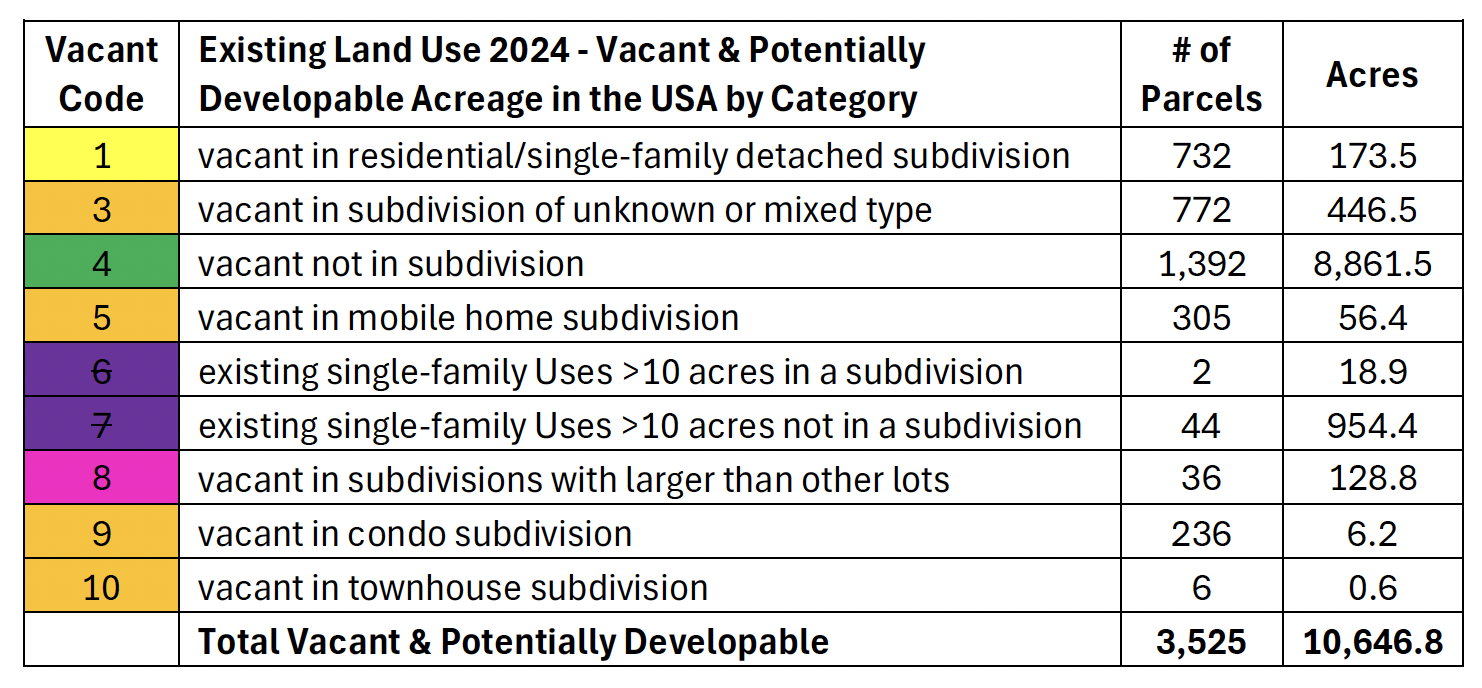
On Wednesday, a majority of county commissioners rejected a needed USA expansion.And they did so while acknowledging they have no unified plan for where future housing should go. This is policymaking driven by fear. And it is worsening a housing-supply crisis that Leon County’s own data makes painfully clear.
The county’s analysis of vacant and potentially developable land shows the actual supply is far more limited than advertised — only about 10,646 acres are truly viableafter accounting for environmental and regulatory constraints, and much of that land is scattered or unsuitable for meaningful housing development. Large, contiguous parcels are rare. Yet the commission just eliminated one of the few chances to build a new master-planned community on scale.
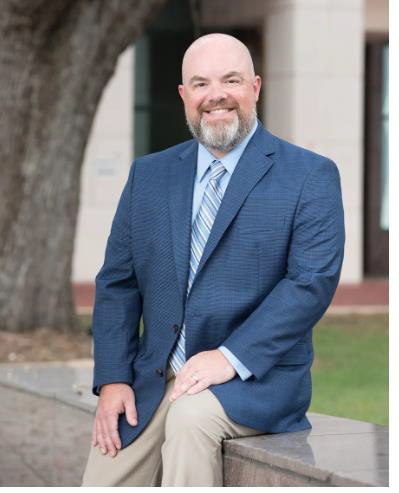
Commissioners Christian Caban, Nick Maddox and Brian Welch understood all of this — and said so plainly. Welch, in particular, gave the most honest and comprehensive explanation we have heard during this entire 30-year Comp Plan rewrite.
He began with a truth that Tallahassee’s political class works hard to avoid:
“We have to grow in this community. The biggest threat to our community is our frustration with accepting that we have to grow.”
He then dismantled the idea that this proposal was “sprawl,” noting that the land in question sits directly beside Southwood:
“You’re talking about a property directly next to Southwood, where there are 3,000 acres and 2,000 homes. To call that sprawl — and then to say infill in historic neighborhoods is also unacceptable — is a perfect encapsulation of the paralysis we are experiencing.”
Paralysis is the precise word. In Leon County, every idea becomes unacceptable:
• Infill is opposed.
• Edge-of-USA expansion is opposed.
• Mixed-use redevelopment is opposed.
• Master-planned communities are opposed.
• Density is opposed.
• Sprawl is opposed.
The impacts are predictable: rent keeps climbing, home prices keep rising, and families continue to struggle.
The anti-growth coalition is not just wrong — it is causing the affordability crisis
This is where hypocrisy becomes impossible to ignore. The same people who speak endlessly about affordable housing — who hold summits, commission studies, and lament rising rents — are the very people voting, again and again, to restrict the supply of housing.
They are not bystanders of the crisis. They are architects of it.
Leon County does not have an affordability problem because developers are building too much. It has an affordability problem because policymakers and anti-growth activists have spent twenty years making sure they build too little. Every time they kill a project, limit density, or wall off new land from the Urban Services Area, they tighten the noose around the working families they claim to champion.
This isn’t academic. It’s math. When demand rises and supply doesn’t, prices go up. And when prices go up, people get pushed out — first from homeownership, then from rentals, and eventually into housing insecurity and homelessness.
The anti-growth faction pretends these outcomes are unrelated to their decisions.
They aren’t.
Their obsession with halting development is not only worsening the housing shortage — it is directly feeding the rise in homelessness in this community.
Welch said it succinctly:
“We talk about affordable housing in the community. We have to build housing in order to create affordable housing.”
But the majority did the opposite. Again.
The leadership vacuum — especially from the Chamber
The silence at Tuesday’s meeting wasn’t just on the dais. It echoed from the organizations that claim to represent this community’s future.
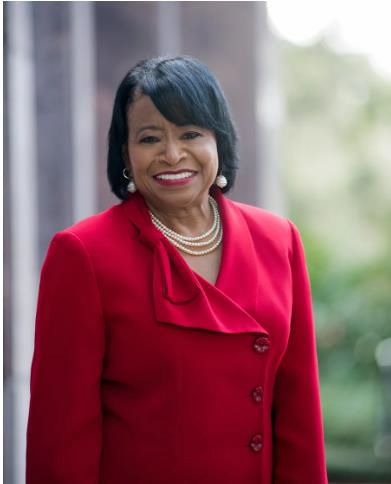
Start with Commissioner Carolyn Cummings — a Chamber-backed candidate, the person business leaders were told would bring pragmatism and economic sense to the Board. She voted against housing growth
That alone should prompt some soul-searching from the Chamber. But the deeper problem is institutional:
The Chamber itself was nowhere to be found. Again.
Not at the hearing.
Not in public comments.
Not in a press release.
Not even in a social media post.
If the business community cannot speak up for housing supply — the single largest factor driving workforce shortages and pushing families out of Leon County — then what, exactly, is it for?
The anti-growth activists show up every time. They flood hearings. They pressure commissioners. They shape the narrative.
The Chamber shrugs.
Silence is a position. And on Tuesday night, silence sided with fear, stagnation and scarcity.
The only three who saw the stakes clearly
Welch, Caban and Maddox were the only commissioners who treated housing as a real policy issue rather than a political nuisance.
Welch closed with a reminder that should hang over every land-use debate:
“Everybody has a right to a home. Everybody has a right to a place to live. And we have a responsibility to facilitate that.”
Three commissioners tried to do exactly that.
The others did not.
The bottom line
Leon County says it wants affordability, opportunity and competitiveness.
But a county cannot remain affordable if it refuses to grow.
It cannot solve homelessness while restricting the supply of homes.
It cannot attract employers while driving workers out.
It cannot claim compassion while embracing policies that push families to the brink.
Until elected leaders — and the institutions that claim to represent the business community — stop treating growth as a threat rather than a necessity, nothing will change except the price of a home.
And that number is only moving in one direction.