People who actually went in the water to do some good
By Red Tape Florida staff
The Red Tide Awards exist to document how red tape spreads when process goes unchecked. The Lifeguard designation exists for the opposite reason.
In a year when delay was rewarded and avoidance passed for governance, a small number of people did something unfashionable: they intervened. They raised their hands, took public positions, and forced issues into the open — often at personal or political cost.
The 2025 Red Tide Lifeguards are individuals who stepped in early enough to stop bureaucratic blooms from spreading — or at least made it harder for them to hide.
Rep. Jason Shoaf, Florida House of Representatives
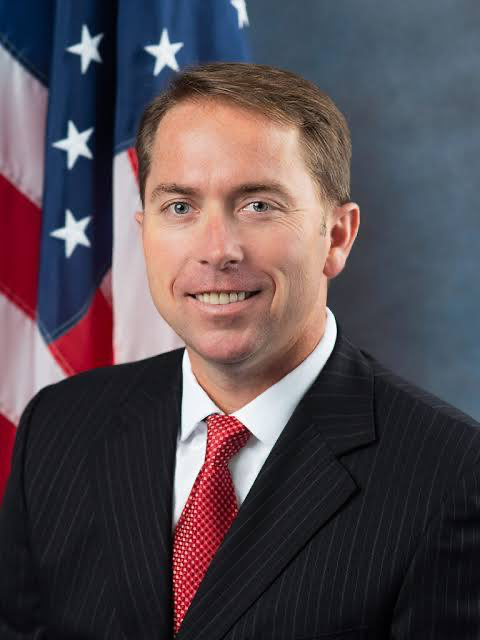
When local governments quietly test the limits of state law, the easiest response for elected officials is silence. In 2025, Rep. Jason Shoaf chose the opposite approach.
Shoaf publicly challenged Gulf County over its handling of private-provider inspection fees, calling out practices that appeared to conflict with clear legislative intent. Rather than letting the issue remain a local administrative dispute, he elevated it to a statewide compliance question — forcing transparency where there had been none.
That matters. Private-provider laws only work if local governments follow them. Shoaf’s intervention didn’t just defend a statute; it sent a signal that defiance of state law would no longer be cost-free or invisible.
Brian Welch, Leon County Commission
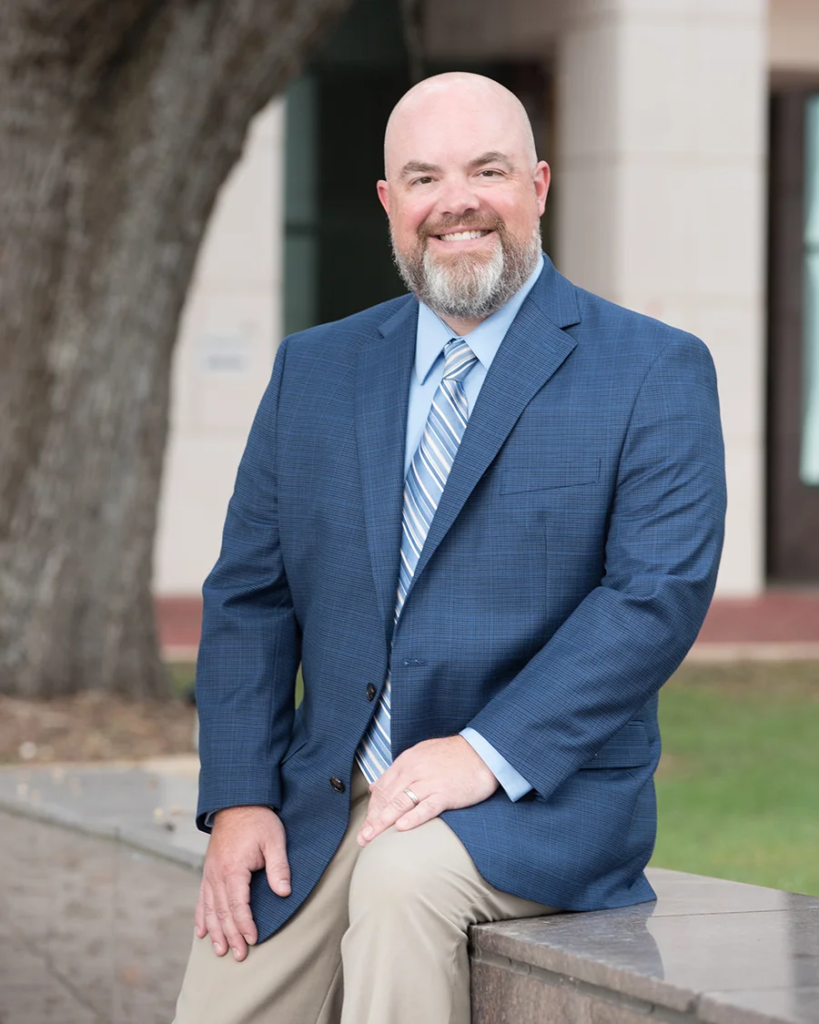
Few figures in Florida’s growth debates have been as consistent — or as effective — at calling out contradiction as Brian Welch.
Welch has spent years dismantling the familiar canard that communities can oppose growth while simultaneously lamenting the lack of affordable housing. In 2025, his commentary and public engagement sharpened that argument, exposing how NIMBY-driven obstruction is often repackaged as concern, planning, or “neighborhood character.”
His contribution wasn’t procedural reform. It was narrative containment. By repeatedly forcing opponents of housing to reconcile their stated values with actual outcomes, Welch helped limit the political cover that allows bad policy to metastasize unchallenged.
Christian Caban, Leon County Commission
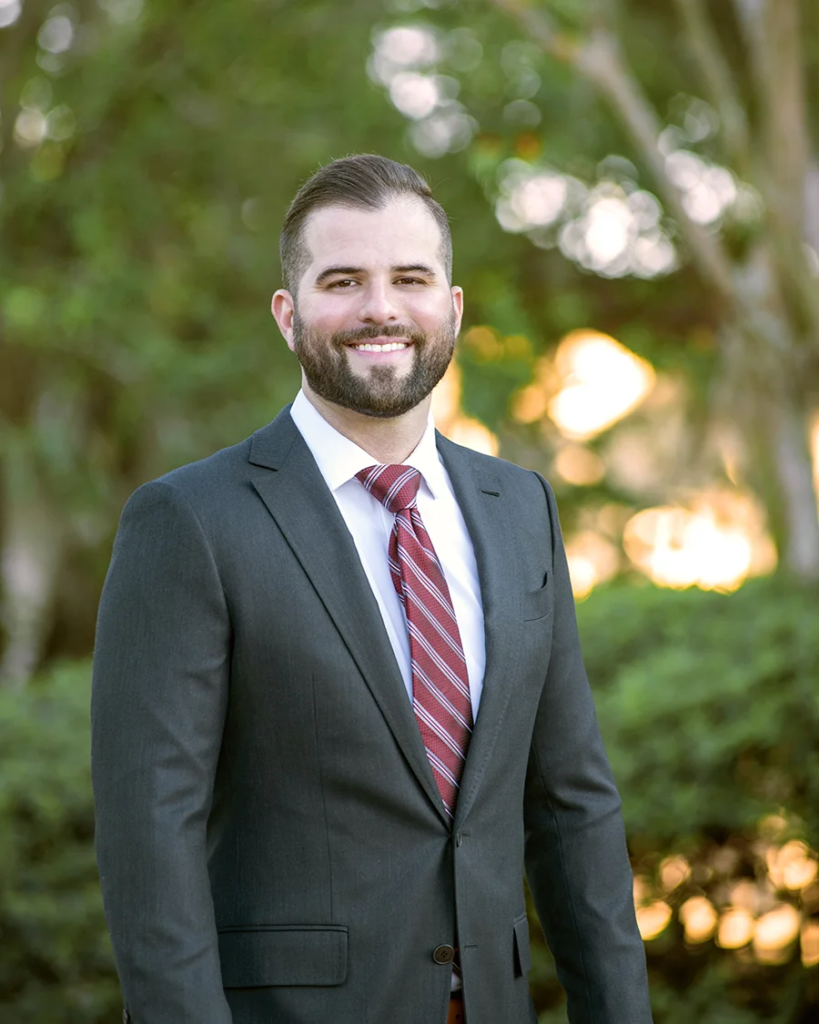
Fire services fees are rarely sexy. They are also rarely scrutinized — which is precisely why they grow so fast.
In 2025, Leon County Commissioner Christian Caban publicly pressed the City of Tallahassee over massive increases in fire services fees tied to new construction, questioning both the methodology and the lack of proportionality. The defining fact wasn’t disagreement; it was accountability. Caban forced the issue into daylight and demanded justification for costs that had quietly tripled.
That kind of oversight is uncommon in intergovernmental relationships, where deference often replaces diligence. By refusing to treat fee escalation as inevitable, Caban slowed a bloom that thrives on assumption and inertia.
Al Wilson, Florida Building Code Compliance Association
Private-provider reform in Florida has produced no shortage of quiet frustration — and very few public advocates willing to absorb the blowback.
As CEO of the Florida Building Code Compliance Association, Al Wilson has repeatedly stepped into that gap. In 2025, he continued to challenge local governments that undermined private-provider statutes through selective discounts, inconsistent fee structures, and procedural workarounds that preserved control while defeating purpose.
Wilson’s role isn’t symbolic. He has brought data, comparisons, and persistence to a fight many would prefer to avoid. In a system where local resistance often counts on fatigue and fragmentation, sustained leadership matters. Wilson provided it.
Why these designations matter
None of these Lifeguards solved Florida’s red tape problem. That was never the standard.
They did something rarer: they interrupted it.
They acted early, publicly, and with enough clarity to make avoidance harder. In a year defined by bureaucratic blooms, that was enough to keep parts of the water clear — and to earn recognition for doing the work most people avoid.
The Red Tide Awards will continue to document where the process goes toxic. The Lifeguard designation exists to remind readers that intervention is possible — and that it usually starts with someone willing to step in, before the bloom takes over.